Online EMDR sessions based in East London and across the UK
Eye Movement Desensitization and Reprocessing
I am trained in EMDR and can offer it as a focussed therapy in its own right. I may also draw on EMDR resourcing techniques within counselling where these may be helpful.
When something traumatic or deeply distressing happens, the experience can sometimes remain very vivid and emotionally charged. Even when you know that the event is over, memories, images, sensations or feelings can still be triggered as though part of you is back there again.
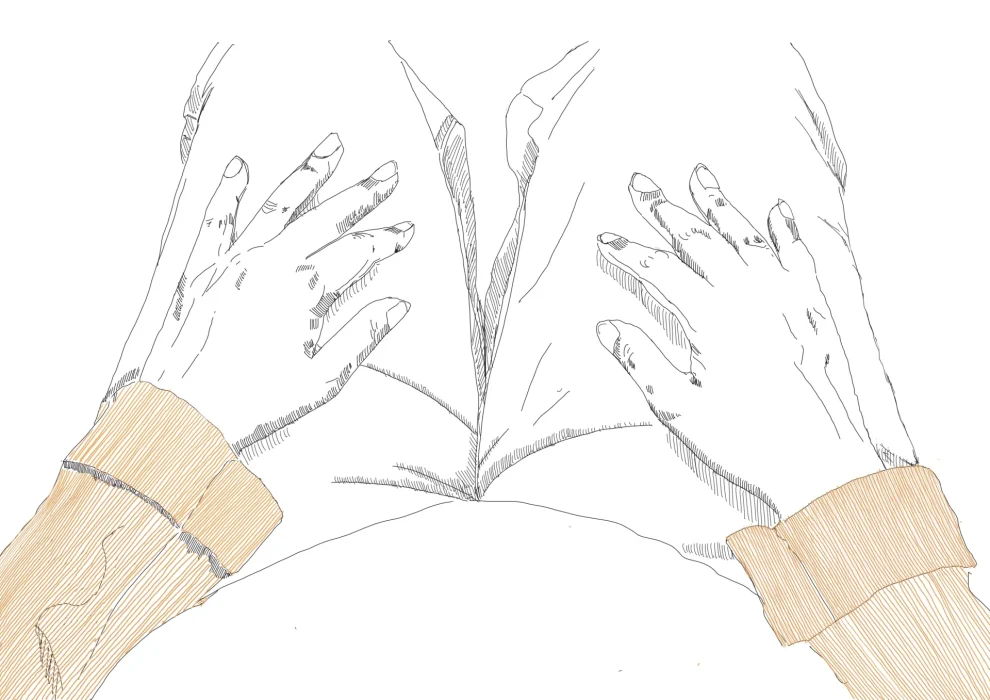
EMDR can help the brain process these experiences so that they become less intense and easier to think about. The memory is not erased, but it can begin to feel more like something that happened in the past rather than something that is still happening now.
During EMDR, you are asked to bring aspects of your experience to mind while also using bilateral stimulation. This usually involves following eye movements from side to side and/or using alternating taps.
EMDR is a structured therapy, and careful preparation is an important part of the process. We would work at a pace that feels manageable, and I would use resourcing and stabilisation techniques where needed before moving into more processing work.
You can watch a short introduction to EMDR here: What is EMDR?
When words aren’t enough
Not every experience is easy to put into words.
Where it feels useful, I may invite you to work with an image, a metaphor, a drawing, a photograph or a visualisation. Sometimes approaching something creatively can help us get closer to feelings, memories or meanings. You do not need to be artistic. The purpose is not to create something impressive, but to give us another way of understanding what is happening for you.